Boston, Dec. 3, 2015, — The Boston Tea Party comes alive this December! It’s Dec. 16, 1773 and trouble is brewing in Boston. Presented by Boston’s famed Old South Meeting House and the Boston Tea Party Ships & Museum, the 242nd Boston Tea Party Anniversary Reenactment is an opportunity to experience one of America’s most iconic public protests live.
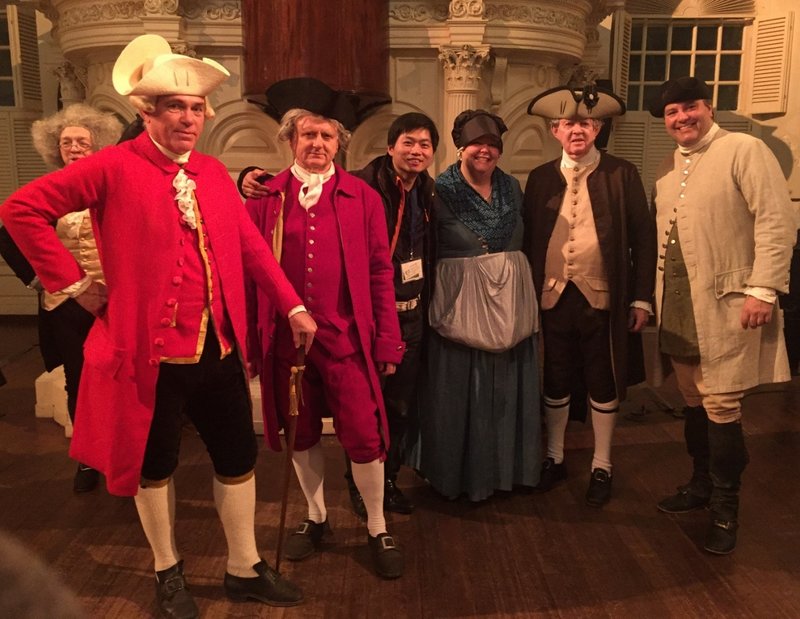
Picture from Boston Tea Party Anniversary Reenactment in 2014(file photo).
(more…)
Tag: History
-
The 242nd Boston Tea Party Anniversary Reenactment to Be Held on Dec 16
-
TV Documentary Survival in Shanghai to Premiere in NYC
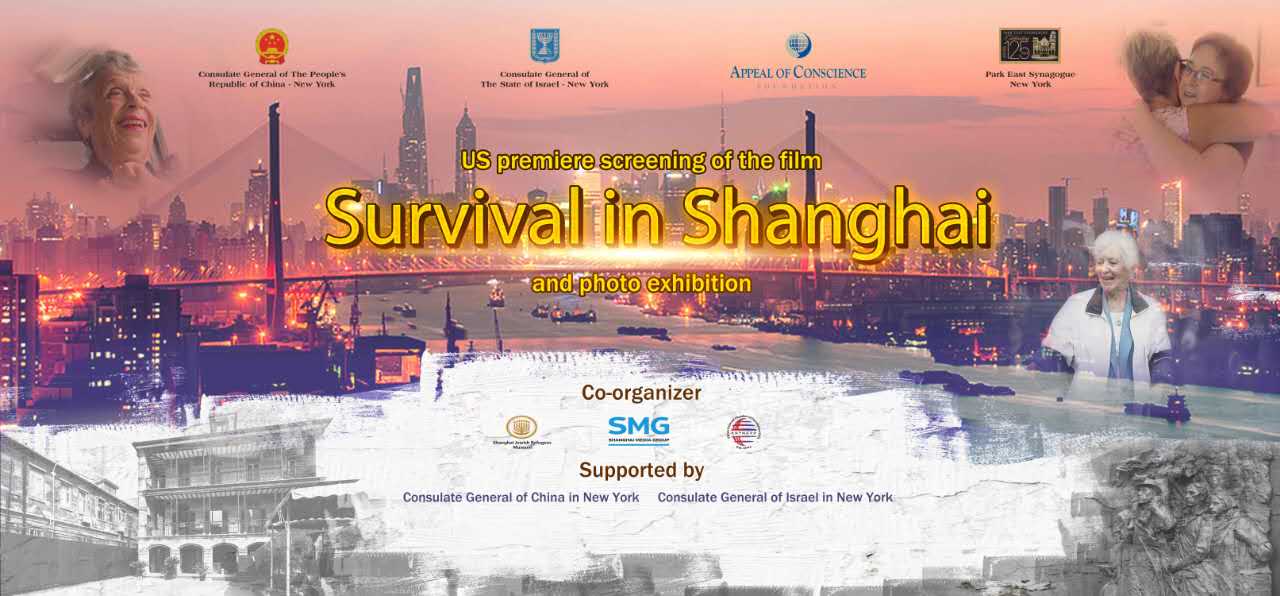
New York City, Nov. 11, 2015, — On November 16, the Premiere of TV documentary Survival in Shanghai will be held in Park East Synagogue in New York. This event is also part of the Exhibition on Jewish Refugees and Shanghai Global Tour.
(more…) -
CHSNE Annual Meeting Reflects on Impact of the 1965 Immigration Law
By Menlei Han, bostonese.com
Boston, Nov. 10, 2015, — Chinese History Society of New England(CHSNE) held it annual meeting and dinner banquet at Empire Garden restaurant Friday evening. The theme of this year’s annual meeting is Impact of 1965: Immigration Law and Chinese in Boston. About 200 CHSNE members and guests attended the annual meeting.
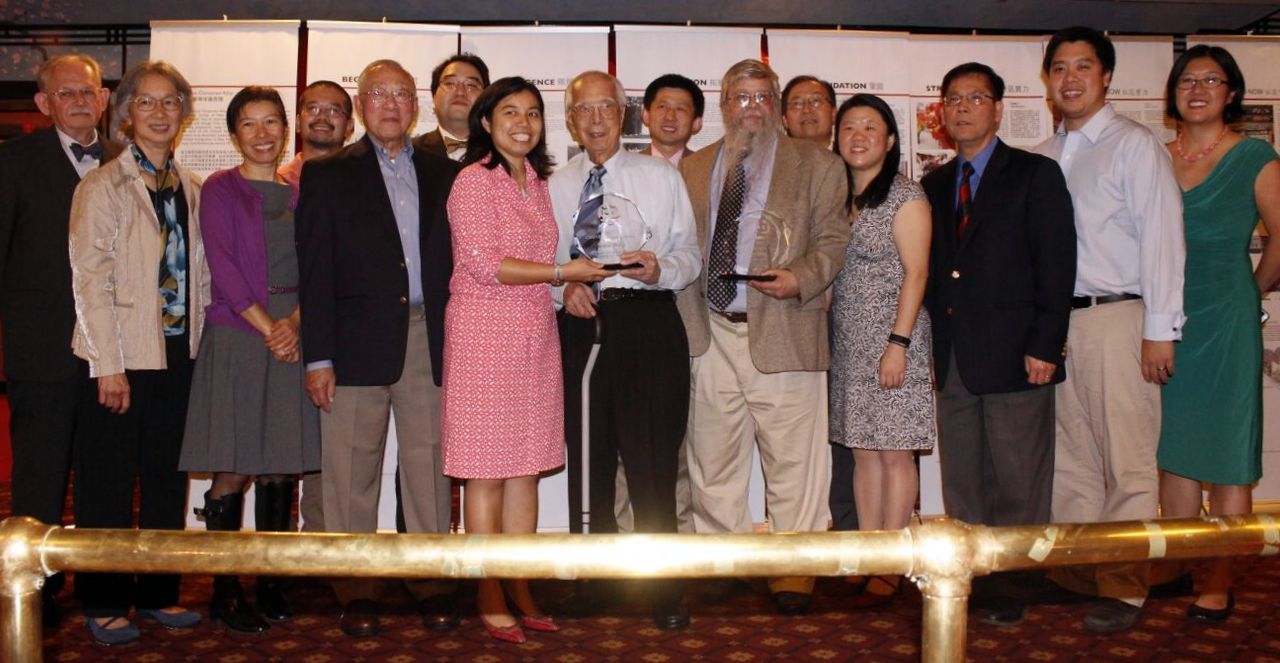
Sherry Dong hands the Sojourner Award to Arthur Wong and Gary Libby with CHSNE board members(photos by Menglei Han).
(more…) -
Did Mao Say “Better to Let Half of the People Die”?
By Xujun Eberlein
Nearly two years ago, when I translated Yang Jisheng’s response to Dikötter’s strange comments on Tombstone, I said I was intensely interested to find out whether Mao really said “It is better to let half of the people die so that the other half can eat their fill,” and if he did, in what context. I received a couple of clues, but none provided the complete context, and I have been left wondering since. I even sent an email to Yang Jisheng asking if he knew about this Mao quote, but did not hear back – perhaps the email address I got from a journalist friend was no longer valid.

(more…) -
General Lee and the Forgotten History of the Last Battles of China’s Civil War
By Dr. Ted Lee, translated by Eric Wu, bostonese.com
Born in 1902 at the Licun Village, Yinzhuang Town in Lingbao County of Henan Province, Major General Lee Xuezheng graduated from the 5th Advanced Program of the Republic of China Military Academy. His father’s name was Lee Yingtian, and his mother’s maiden name was Lu. His family was quite prosperous. Being the only child in his family, Lee always exercised filial piety. He had three knuckles on his left pinkie instead of two, which was abnormal compared to others. His parents introduced him to some Kungfu masters, letting him learn and practice Chinese Martial Arts, so that no one could bully him.
Lee graduated from the ninth Province High School in Shanzhou. Later he worked as a lecturer at the first Lingbao County Elementary Schools. Seeing the rampant banditry and the horrible chaos that had occurred while the people in his home town were suffering from poverty, he decided to join the army in order to eliminate the bandits. In 1928, he walked to Kaifeng, the capital city of Henan Province, carrying his luggage. Then he was appointed the mayor of the Haozhen District by the province to settle the trouble of banditry in that most terrible area. In 1930, he became the commander of the self-defensive militia, during which he was nearly murdered three times. Due to his contribution to suppressing the bandits, he was promoted as the commander of bandit suppression of the New Seventh County in Yongmian, Luwen, Shanling in the western Henan Province. By the end of 1931, Lee’s militia had been reorganized into the Independent 454th Regiment by General Zhang Fang of the 20th Army in the National Revolutionary Army (NRA) at the Town of Ouchi in Mianchi County. Lee was appointed the commander of this regiment. Later he was promoted to the 227th Brigade in the 76th Division as the commander, participating in the banditry-suppressing campaigns repeatedly.
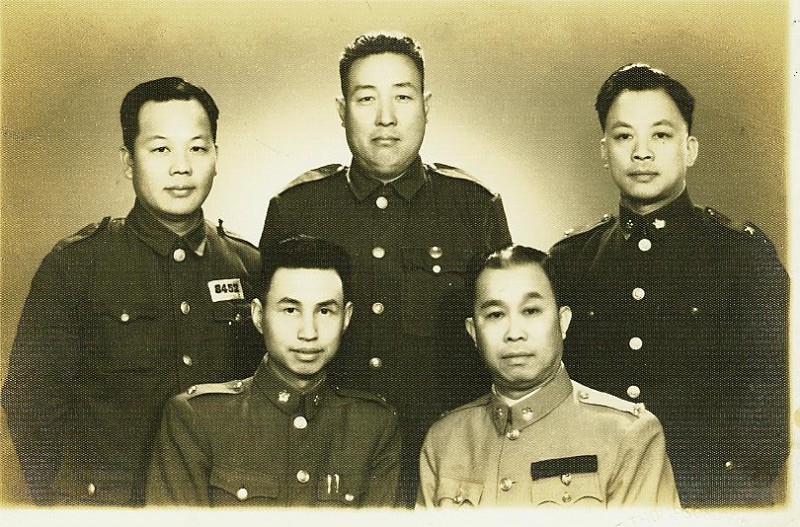
Picture above: Lee as the commander of the 67th Division (in the middle of the back row), Lin Weichou as the commander of the 62nd Army (right in the front row), taken between 1947 and 1948 in Tianjin.
(more…) -
Chinese Animation Captain of Flying Tigers to Air on TV
Beijing, August 31, 2015, — A Chinese animation about the American “Flying Tigers” air squadron, which helped the Chinese fight the Japanese during World War II, is expected to hit TV screens in September. This was announced at a new conference recently in Beijing. China has declared Sept. 3 as Victory Day national holiday to mark the 70th anniversary of the 70th anniversary of the official ceremony of Japan’s unconditional surrounder at the end of WWII.
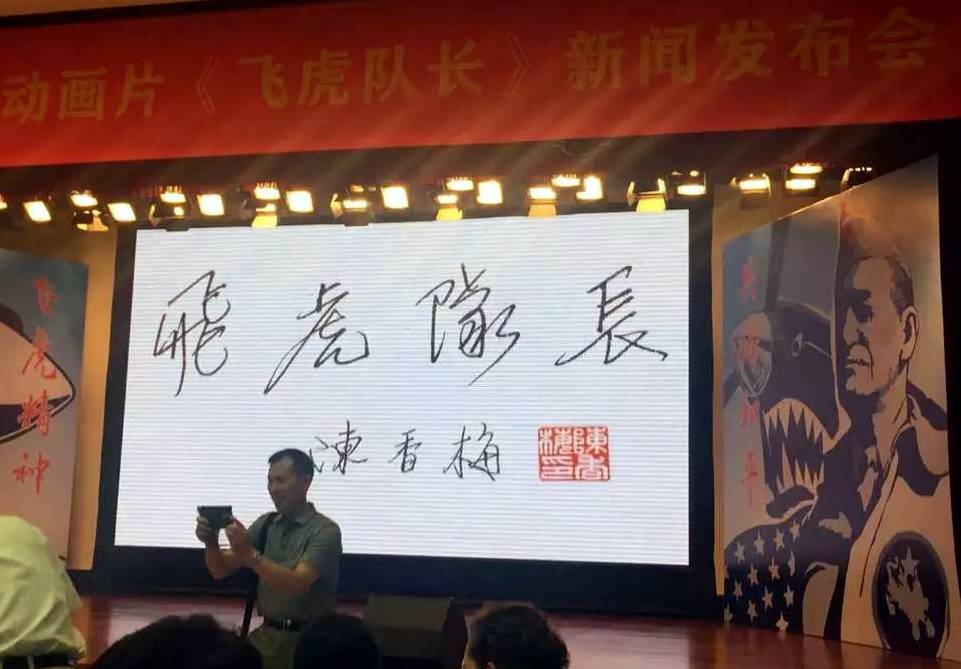
Picture from the new conference of animation Captain of Flying Tigers(file photo).
(more…) -
Salt Lake City Public Library Hosts China During WWII Film Exhibition
Salt Lake City, July 25, 2015, — This coming September marks 70 years since the end of World War II. In commemoration of this anniversary, Salt Lake City Public Library will host China During WWII film exhibition at the main library auditorium. China is a key alley of the US during WWII in the Pacific arena.

(more…) -
When Did WWII Start and How Long Did It Last?
By Eric Wu, bostonese.com
As we celebrate the 70th anniversary of the end of WWII this year, many people are wondering when WWII did start? Answers to this question many depend on which ocean you are looking at.
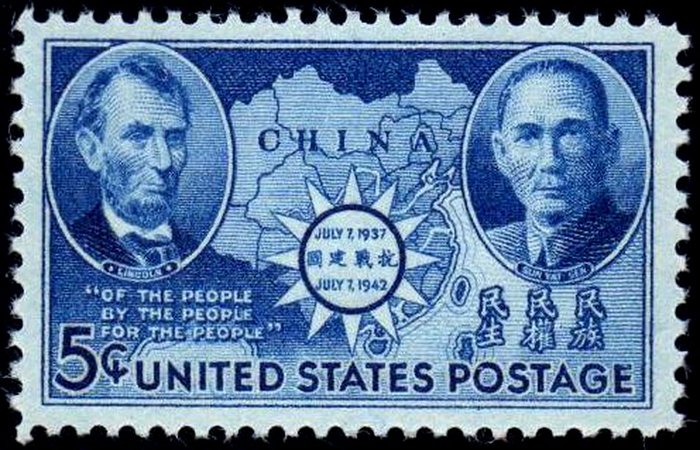
This 1942 USPS stamp commemorates the five-year anniversary of China’s resistance against Japanese invasion(file photo).
(more…) -
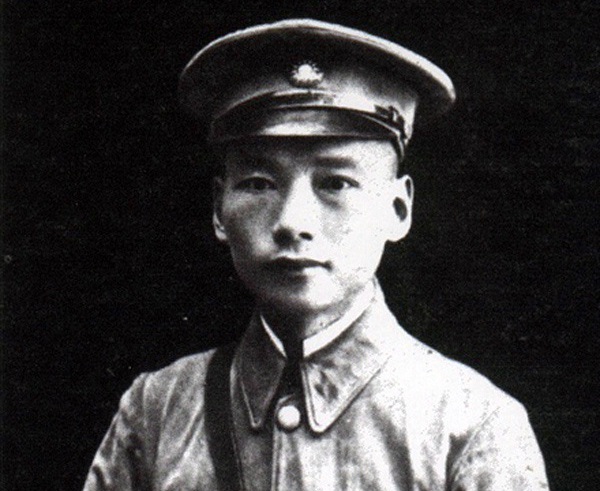
General Chen Cheng — WWII Hero Who Defended the Free China
By Eric Wu, bostonese.com
Yangtze River and Yellow River are the two longest and most famous rivers in China. They also played vital roles in China’s War of Resistance during WWII. The 1938 Yellow River Flood was created by the Nationalist Government in central China in an attempt to halt the rapid advance of Japanese forces. An estimated 800,000 people in Henan, Anhui, and Jiangsu provinces were drowned. The strategy worked to some degree, and Japanese troops, whose initial plan was to occupy the whole China in three months, were forced to move slowly along the Yangtze River from east to west toward Chongqing, the wartime capital of free China.
In the mid-August 1940, General Chen Cheng deployed five army groups in the sixth war zone, which consisted of 400 thousand troops, to Enshi in Hubei Province, guarding the entrance on the east of Chongqing. Subsequent to the falling of Nanjing and Wuhan, the Japanese Army kept concentrating its main force to break into the China’s wartime capital. In Hunan and Hubei Provinces, which were located on the way to Chongqing, flames of the war had never been put out. The Chinese Army in the sixth war zone had to defend against not only the Japanese Army that was moving to the west, but also another group of Japanese intruders who attempted to break into Sichuan Province along the Yangtze River.
(more…) -
Autobiography From Tsinghua to M.I.T. to Be Released
Boston, June 12, 2015, — Arrived in Boston to peruse graduate studies in Oct. 1942, Prof. Shih-Ying Lee has stayed in the great Boston area for over 70 years. In the autobiography titled From Tsinghua to M.I.T. — My Journey from Education to Entrepreneurship, published by Boston Bilingual Media & Publishing Inc., Prof. Lee recalled his family history, his undergraduate studies at Tsinghua University in Beijing and in Kunming, and his life in the USA over past 100 years.

Prof. Chen (left) and Mr. and Mrs. Lee pose for a picture (file photo).
(more…)